Internationalisation of Higher Education in India: What the 28:1 Problem Means for Study Abroad and Global Education
There are conversations that stay with you long after the room has emptied. My recent roundtable on the Internationalisation of Higher Education in India, hosted by the PHD Chamber of Commerce and Industry, was one of them. The discussion brought together policymakers, education leaders and international higher education experts, including Mr. Ajay Bisaria, former High Commissioner of India to Canada, Ms. Esther Benjamin, CEO of WES, Mr. Vineet Gupta, Founder of Ashoka University, and Dr. M. Jagadesh Kumar, Chairman of the NEP 2020 Review Committee, among others. For someone who
Future Careers in the Age of AI: What Students Should Study and Which Skills Will Matter?
Which careers will grow in the age of AI? Explore future career options, AI-proof skills, emerging jobs, university courses and how students can prepare for careers in a changing world. Artificial intelligence is changing the way people work, but it is also changing the way students should think about careers. A student choosing a degree today may enter a workplace that looks very different by the time they graduate. Some tasks will be automated, some jobs will evolve, and entirely new roles will emerge. The World Economic Forum estimates that

Burnout in High School Students: Signs Parents Miss Before College & Study Abroad Applications
Preparing for university has become more competitive than ever. Between board examinations, entrance tests, extracurricular activities, internships, research projects, portfolio building, and study abroad applications, many high school students feel constant pressure to achieve more. While ambition is healthy, prolonged pressure without adequate recovery can lead to burnout. Burnout is often mistaken for laziness, mood swings, or a lack of motivation. In reality, it is a state of emotional, physical, and mental exhaustion that affects a student’s ability to learn, concentrate, and enjoy everyday life. For parents, recognising burnout early

What Top Universities Really Look for Beyond Grades | A Guide for Students Planning to Study Abroad
What Top Universities Look for Beyond Grades | Study Abroad Guide Discover what top universities really look for beyond grades. Learn how essays, extracurriculars, leadership, curiosity, and authentic experiences strengthen study abroad applications. Excellent grades will always matter. They demonstrate discipline, consistency, and academic ability. However, when applying to leading universities in the US, UK, Canada, Europe, Singapore, and Australia, grades alone are rarely enough. Every admissions cycle, thousands of students with near-perfect academic records are rejected, while others with similar grades receive offers from some of the world’s most

How to Build an Ivy League Profile in High School: A Complete Guide for Students Aspiring to Study Abroad (2026)
Every year, thousands of students dream of studying at prestigious universities like Harvard, Yale, Princeton, Columbia, Cornell, Brown, Dartmouth, and the University of Pennsylvania. Yet one of the biggest misconceptions surrounding Ivy League admissions is that exceptional grades alone are enough. The reality is quite different. Top universities are not simply looking for students with perfect report cards. They are looking for individuals who are intellectually curious, passionate about their interests, willing to take initiative, and capable of making a positive impact on their communities. In other words, they are

Which Country Is Best for Undergraduate Studies Abroad? A Complete Guide for Students Planning Higher Education Overseas
Choosing to study abroad is one of the biggest decisions a student can make. But before selecting a university or course, there is an equally important question to answer: Which country is the right fit for you? There is no single ‘best’ country for undergraduate studies. The ideal destination depends on your academic interests, career aspirations, budget, preferred learning style, and long-term goals. While rankings and reputation matter, they should never be the only factors guiding your decision. Understanding what each study destination offers can help you make an informed
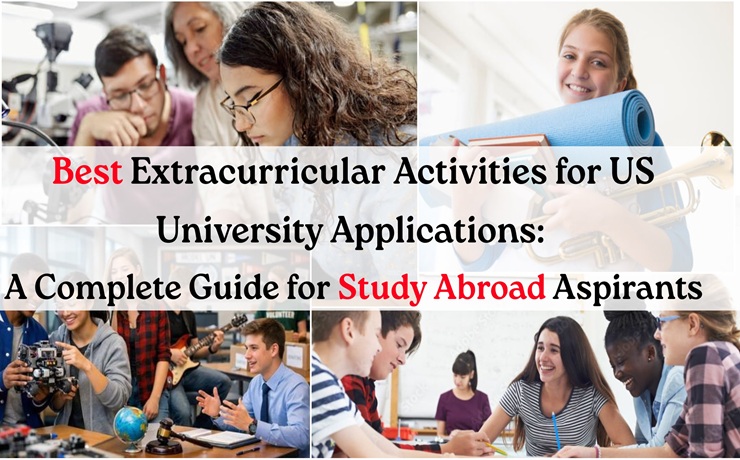
Best Extracurricular Activities for US University Applications: A Complete Guide for Study Abroad Aspirants
When students consider applying to top universities in the United States, their first concerns are often grades, test scores, and academic performance. While strong academics remain important, US universities evaluate applicants through a much broader lens. Admissions officers are interested in understanding who students are beyond the classroom, what they care about, how they spend their time, and the impact they create in their communities. This is where extracurricular activities become a critical part of the application process. However, one of the biggest misconceptions among students and parents is that

Study Abroad Trends 2026: What Every Parent Needs to Know About University Admissions
The study abroad landscape is evolving rapidly. Universities are changing how they evaluate applicants, new destinations are gaining popularity, and employers are increasingly looking for graduates who possess both academic knowledge and real-world skills. For parents navigating the university admissions process with their children, understanding these shifts can make a significant difference. As we move through 2026, university admissions are becoming less about checking boxes and more about identifying students who demonstrate curiosity, initiative, adaptability, and a clear sense of purpose. Here are some of the most important study abroad
SAT vs ACT: Which Test Should You Take in 2026?
If you are planning to apply to universities in the United States, one question is likely to come up early in your application journey: Should I take the SAT or the ACT? The good news is that in 2026, most U.S. universities accept both tests equally. Admissions officers generally do not prefer one over the other. However, choosing the right exam can significantly affect your preparation strategy, confidence, and ultimately your score. So, how do you decide which test is the better fit for you? SAT vs ACT: The Short
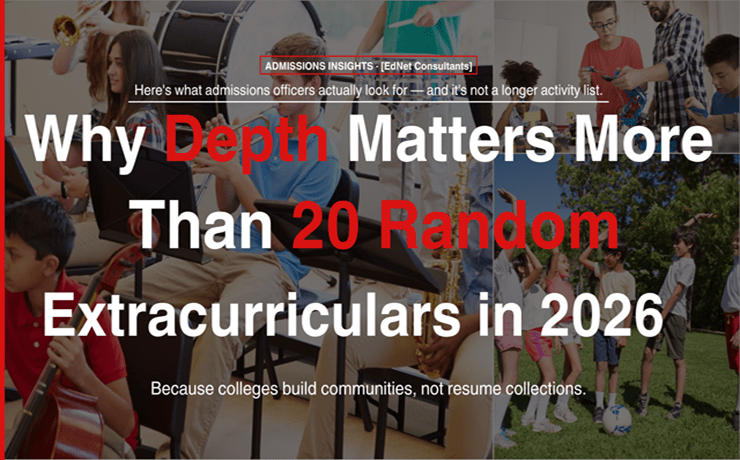
Why Depth Matters More Than 20 Random Extracurriculars in 2026
Every year, students applying to top universities make the same mistake: they assume that doing more activities automatically makes their applications stronger. As a result, many high school students end up with resumes filled with disconnected extracurriculars — a debate competition here, a coding course there, a few volunteering hours, perhaps a random internship, and several leadership titles that rarely mean much beyond the surface. However, admissions officers at highly selective universities are not looking for students who simply collect activities. They are looking for students who show initiative, commitment,

Study Abroad in 2026: What Students & Parents Need to Know Before Applying to Universities Abroad
Study Abroad in 2026 | University Admissions, Scholarships & Career Trends for International Students Planning to study abroad in 2026? Learn about university admissions, scholarships, top countries, career-focused courses, student visas, and application strategies for studying in the USA, UK, Canada, Europe, and more. Why More Students Are Choosing to Study Abroad Over the past few years, global education has changed dramatically. Students today are no longer choosing universities based only on rankings or reputation. They are looking for international exposure, career opportunities, interdisciplinary learning, industry access, research opportunities, and
100% Scholarship for Study Abroad: What It Really Takes to Win Fully Funded Admissions
For many students, studying abroad feels like an impossible dream due to the financial burden it entails. Tuition fees, accommodation, travel, insurance, and living expenses can make international education appear inaccessible. However, every year, universities across the world offer fully funded opportunities to students through merit scholarships, financial aid programmes, leadership grants, and need-based support systems. What most students misunderstand, however, is that winning a 100% scholarship for study abroad is not simply about scoring perfect grades. Universities today are looking for students who bring a combination of academic excellence,
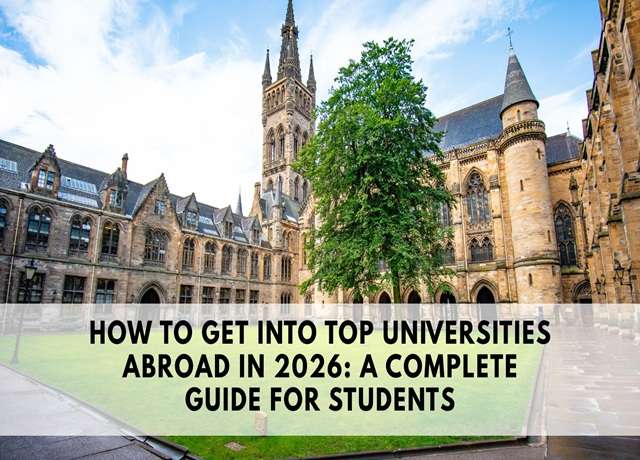
How to Get into Top Universities Abroad in 2026: A Complete Guide for Students
In today’s increasingly competitive admissions landscape, getting into a top university abroad is no longer just about high grades. It is about having the right strategy and positioning. With global applications rising each year, students need to go beyond academics and present a well-rounded, compelling profile that helps them stand out among millions of others. At EdNet Consultants, we have worked closely with thousands of students navigating this journey, and one thing has emerged very clearly: early, informed preparation makes all the difference. Why Studying Abroad is More Competitive Than
Study Abroad After 12th: Complete Guide for Indian Students (2026)
For many Indian students, the idea of studying abroad begins as a dream, and quickly turns into a maze of decisions. Which country? Which course? What exams? How much will it cost? The truth is, studying abroad after Class 12 is absolutely achievable, but only if you approach it with the right strategy, clarity, and timing. This guide walks you through everything you need to know, from choosing the right destination to understanding costs, requirements, and common pitfalls, so you can make informed decisions with confidence. Why Study Abroad After
How to Choose the Right University in 2026: India vs Abroad – A Complete Student Guide
Confused between studying in India or abroad? This 2026 guide helps students choose the right university based on career goals, ROI, exposure, and long-term outcomes. Choosing a university in 2026 is far more complicated than it used to be. Students today are not just deciding between colleges. They are deciding between countries, career pathways, financial commitments, and long-term opportunities. With endless information available online, the challenge now is no longer access, but clarity about what to choose. One of the biggest dilemmas students face is whether to study in India